Leonardo Reyna: Fantasias Cubanas arr. for Ensemble

Release: Oct 07, 2023
Classic Vibrations emerged not as a formal ensemble project, but as a conversation between musicians who found themselves navigating the same emotional geography from different corners of the diaspora. The project began during Leonardo Reyna’s years at the Hochschule Hanns Eisler in Berlin, at a time when the city itself felt like a laboratory for musical and cultural translation.
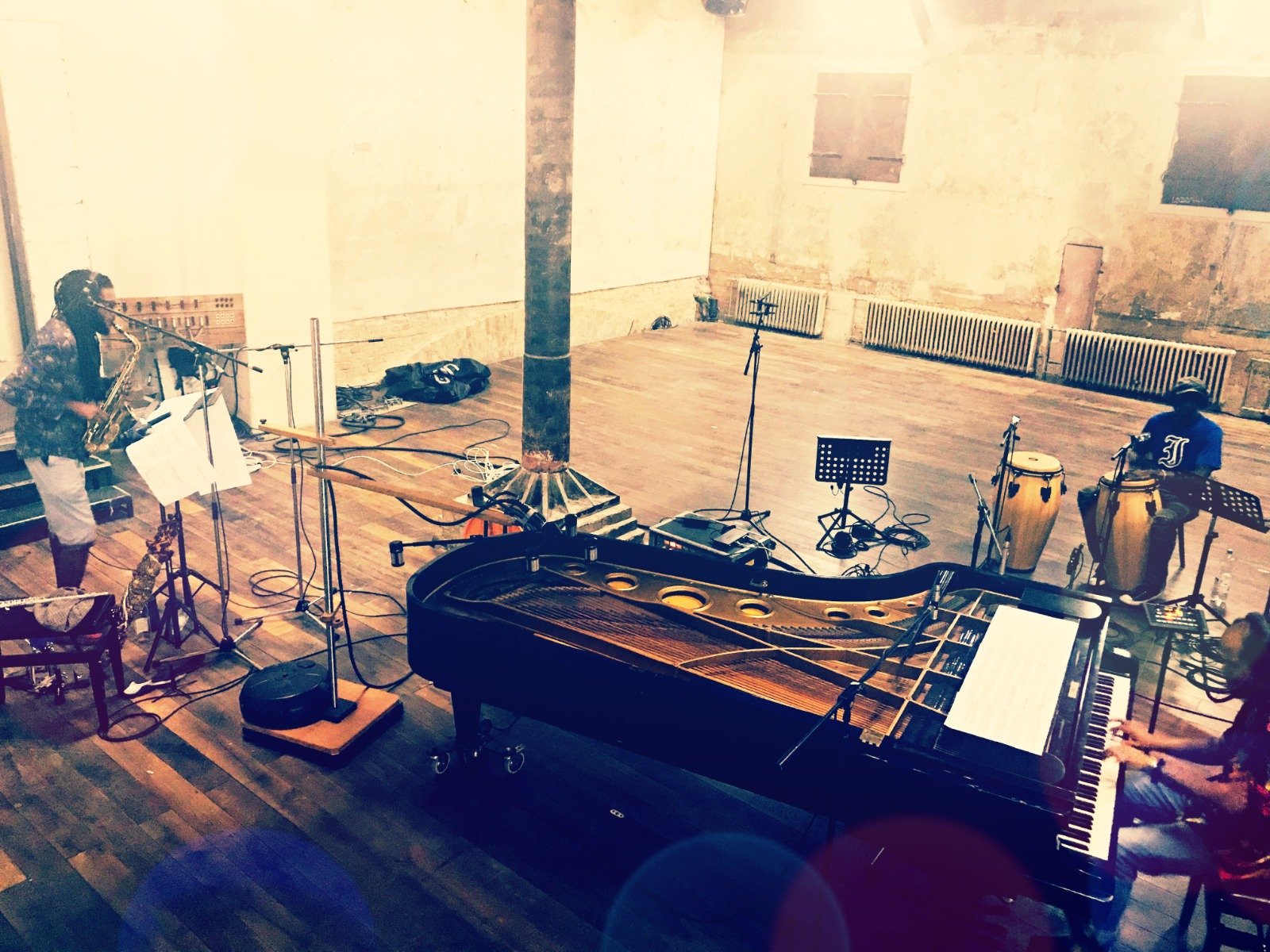
Reyna and Cuban musician Regis Molina, who was studying at the Berlin Jazz Institute, shared more than academic training — they shared a musical lineage rooted in Havana. In between concerts organized in small gallery spaces around Nollendorfplatz, they began experimenting with unexpected encounters between Debussy’s preludes, jazz improvisation, and the rhythmic architecture of Cuban rumba. What began as informal musical dialogue slowly evolved into compositions that questioned the borders between classical concert tradition and popular Afro-Cuban expression.
The album that emerged from these collaborations is less a collection of pieces than a narrative of musical migration and spiritual memory.
The opening composition, “Eleguá,” serves as both invocation and threshold. Named after the African deity who opens and closes paths, the piece functions as an entry into the album’s symbolic world. The composition closes with a traditional Yoruba chant, creating an auditory analogy to the balance of dual forces — opening and closing, past and future, arrival and departure. The piece gradually expands from piano and chamber textures into the resonant presence of string quartet and bata drum, symbolizing family, ancestry, and continuity across generations.
The second piece, “Rumbeando,” moves into a more experimental territory. Here, the piano does not simply accompany rumba — it imagines it. Rumba, historically associated with marginalized urban communities and rooted in the cultural memory of enslaved Africans who created musical spaces through cabildos, becomes a language of memory and resistance. Reyna composed both music and lyrics directly from the piano, shaping rhythmic language into narrative form. The legendary Cuban rumba vocalist Arturo Martinez, now based in Hamburg, gives voice to this musical fantasy, transforming the composition into a living dialogue between history and contemporary diaspora experience.
“Siboney” forms a central suite-like reflection within the album. Originally inspired by Ernesto Lecuona’s classic song, the piece evolved through multiple reinterpretations — for solo piano, piano and violin, and finally ensemble. In this version, fragments of the original melody appear and disappear within contemporary harmonic landscapes, revealing strong influences from European modernist piano traditions such as Ravel and Prokofiev. The result is not a historical reinterpretation, but a transformation of memory into contemporary sound language.
The piece “Messiaendo” reflects Reyna’s long engagement with the religious and structural ideas found in Olivier Messiaen’s late quartet aesthetics. First encountered in Berlin, Messiaen’s music became a months-long study of time, spirituality, and harmonic color. In this composition, the Cuban lullaby “Drume Negrita” by Eliseo Grenet emerges gradually through complex harmonic environments, transforming from a traditional lullaby into something more ambiguous — less a song meant to put a child to sleep, and more a meditation on what happens when memory resists silence.
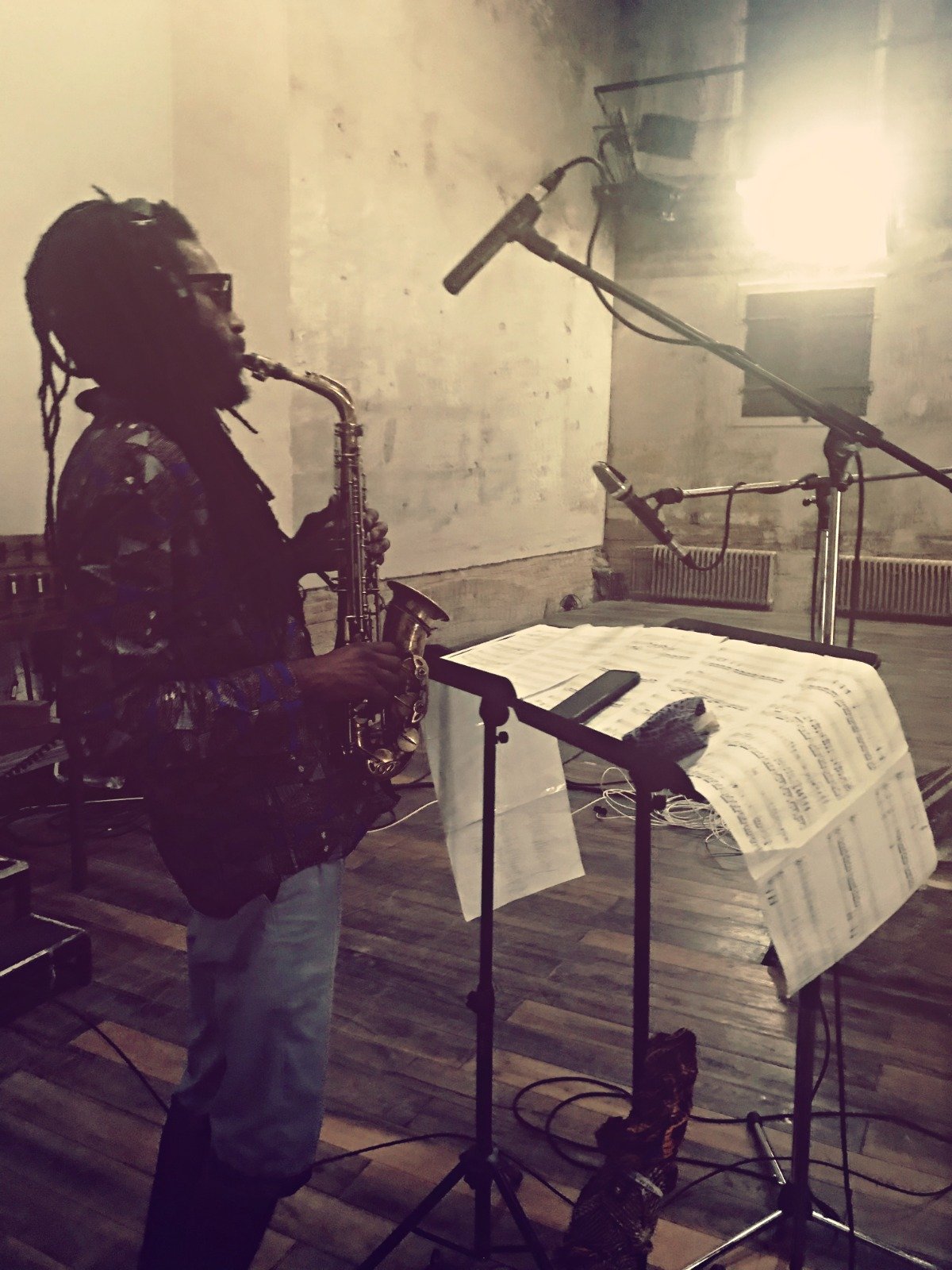
The album closes with “Homenaje.” Drawing from Reyna’s years studying vocal and piano repertoire, the piece begins in a romantic European tradition, inspired by the legacy of Mendelssohn’s song cycles, before gradually moving toward Cuban harmonic and rhythmic sensibilities. The work mirrors historical musical exchanges between Europe and Afro-Caribbean traditions during the nineteenth century, when classical music itself absorbed new cultural voices. This final piece, created in collaboration with Regis Molina during long Berlin improvisation sessions, becomes a celebration of artistic encounter, friendship, and diasporic memory.
Listen to Homenaje