Päar
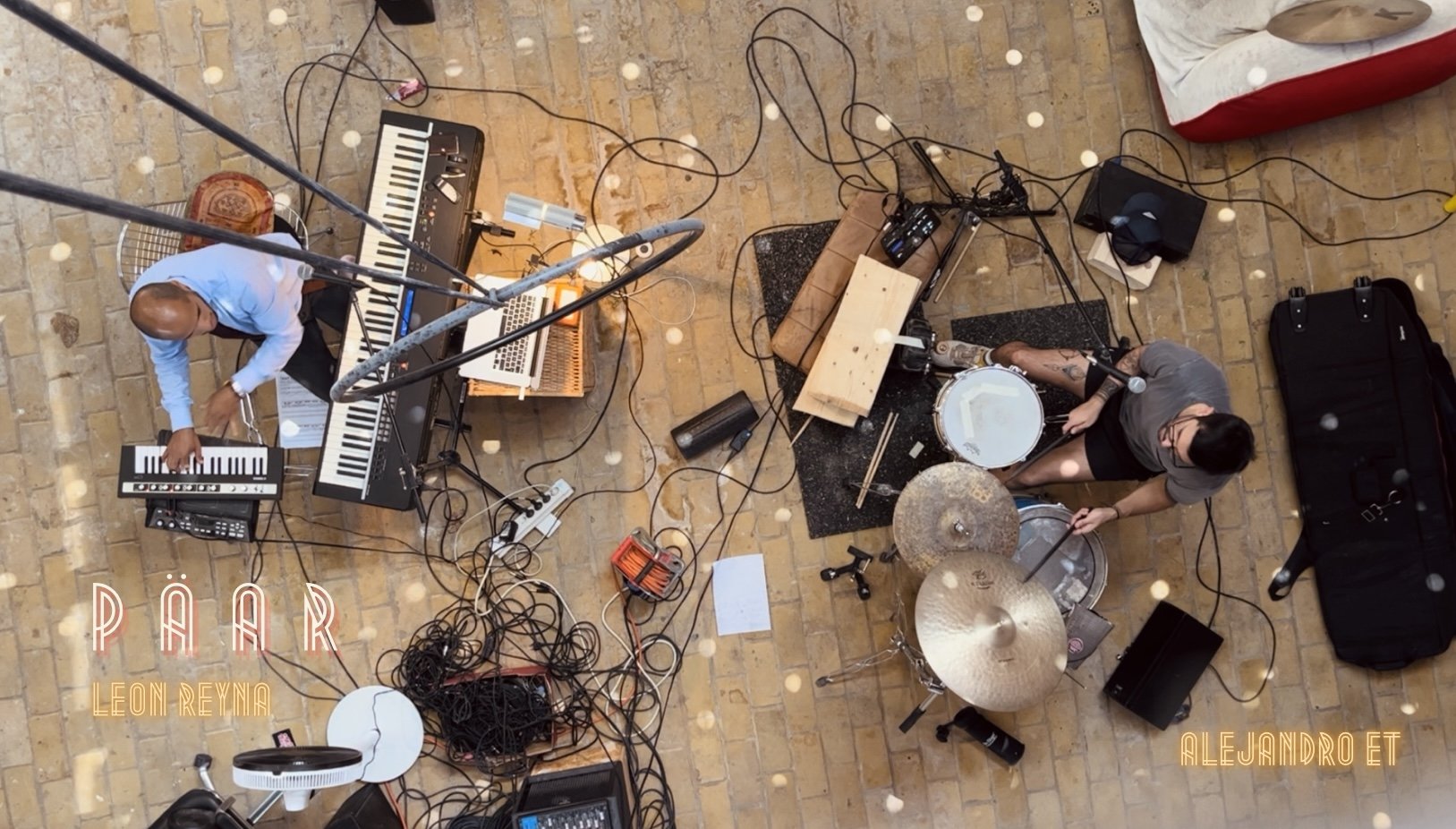
The project Päar grew out of a long friendship between pianist Leonardo Reyna and drummer, singer, and composer Alejandro Enríquez — a friendship that began in the early 2000s in a small room in Havana’s Vedado neighborhood. Alejandro kept his drum set there, along with a modest keyboard, and the two would spend long hours experimenting with sounds that rarely belonged to the academic world they had been trained in.
In the conservatories of Havana, their education revolved around classical music and the deep traditions of Cuban repertoire. Yet in that small room another musical universe was unfolding. Rock music in Havana at the time was less a visible scene than a quiet underground current. By the early 2000s it was no longer officially forbidden, but the island still lacked the industry through which young listeners elsewhere could easily buy records. Albums circulated hand to hand — copied from a friend who had copied them from another friend — forming a small network of listeners who discovered the music almost like contraband. Grunge, alternative rock, metal — collided sharply with the rhythmic language of Cuban jazz and traditional music that surrounded the young musicians.
Both musicians later passed through the orbit of the composer Edesio Alejandro, whose work famously blended Cuban musical traditions with electronic textures and orchestral writing. His experimental spirit left a quiet mark on two young musicians searching for their own musical voice.
Life eventually scattered them across continents. Reyna moved to Germany; Enríquez later settled in New York. Nearly fifteen years passed before their paths crossed again. By then Reyna was living in Berlin, Enríquez happened to be traveling through Madrid and they met in the German capital.
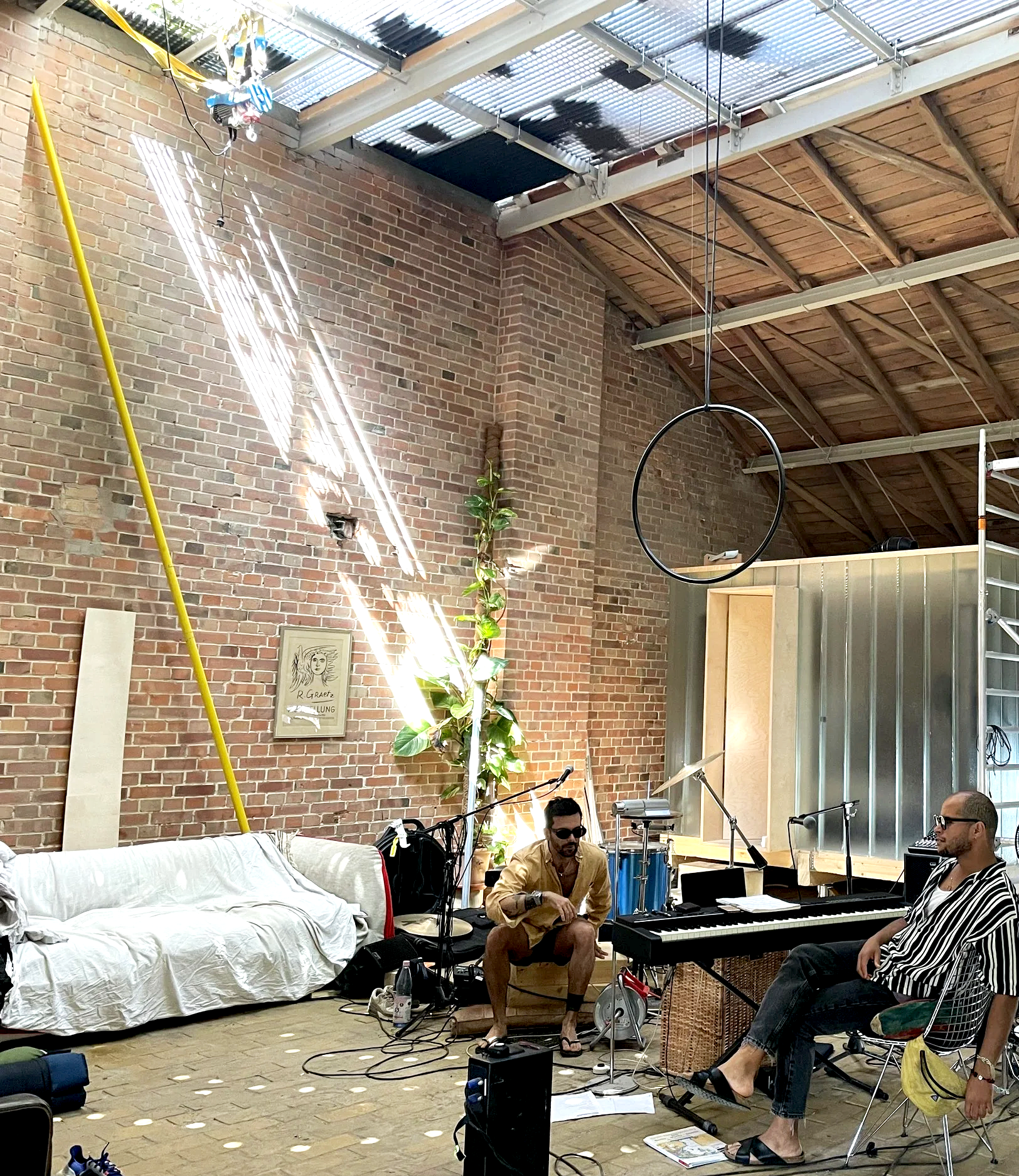
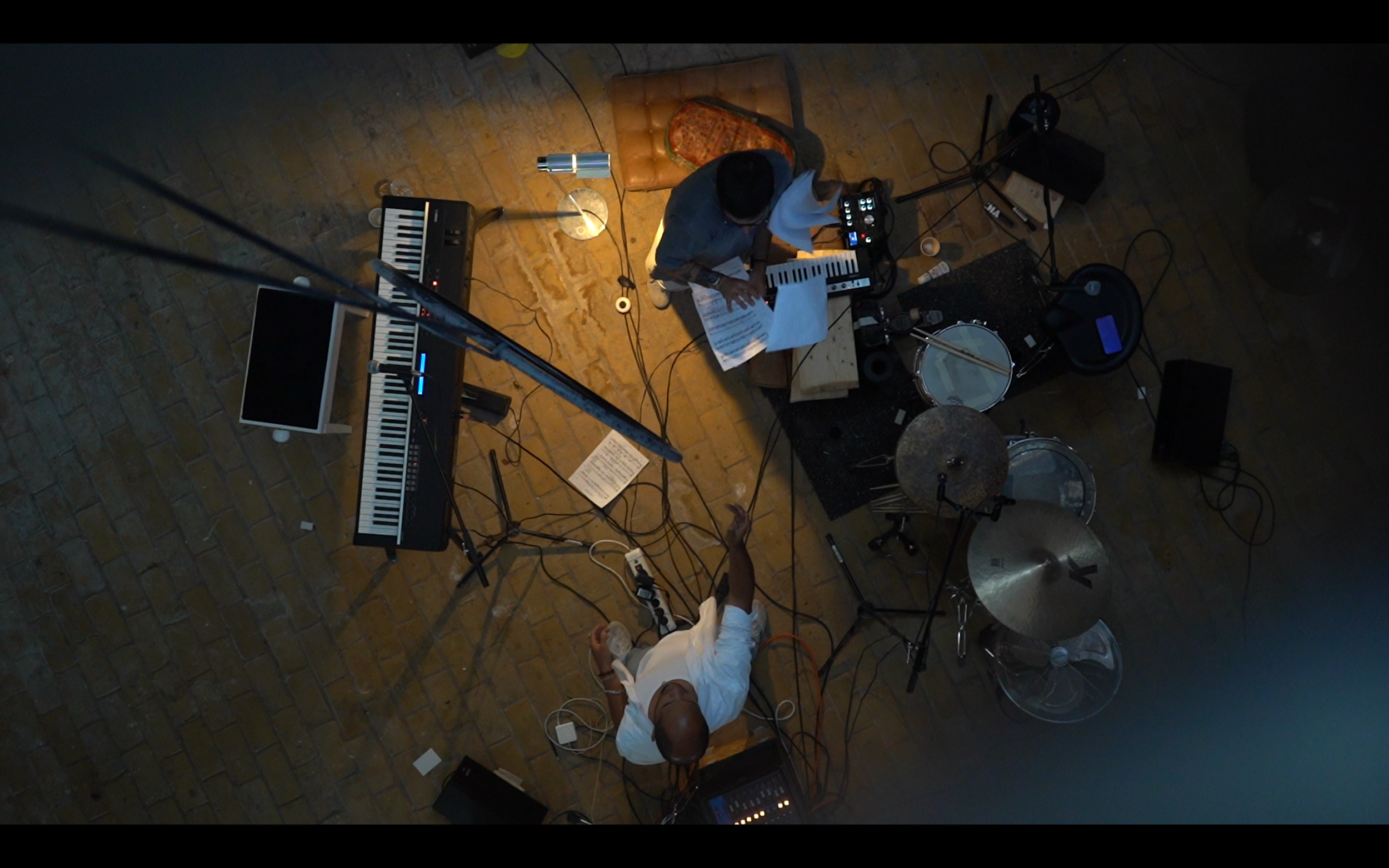
Their reunion took place in an old palm kernel oil warehouse — the Palmkernoil Speicher — a raw, spacious site that gave them the freedom to explore sound and space. With the support of the Insola Berlin project, they spent several days rehearsing and creating together, improvising, composing, and letting ideas take shape organically.
The name Päar reflects that encounter: two voices, two trajectories meeting again after years apart. Today Reyna lives in New York and Enríquez in Madrid, and the project remains an open conversation a musical dialogue shaped by the many currents of contemporary Cuban identity: electronic, jazz-inflected, rock-driven, and unmistakably rooted in the rhythmic imagination of Havana.